 Make an order by 5PM from Monday to Friday for next day delivery.


 0
0

Cultural perspectives on gambling How traditions shape betting behaviors
June 08 2026
Cultural perspectives on gambling How traditions shape betting behaviors
Historical Context of Gambling in Different Cultures
Gambling has deep roots in many cultures, often tied to historical events and societal norms. In ancient China, gambling was primarily a means of entertainment and had ties to various festivals and celebrations. Dice games and lottery-like activities can be traced back thousands of years, reflecting a society that embraced chance and luck. These practices laid the foundation for a gambling culture that would evolve over centuries, influencing modern betting behaviors. In this context, a platform like https://spinboss-ca.com/ can offer users insight into how these historical influences shape current experiences.
Similarly, ancient Rome had a robust gambling culture, where citizens participated in games of chance during public events. Gladiatorial games often incorporated betting, with spectators wagering on the outcomes. This integration of gambling into social and public life indicates how deeply embedded the practice was in Roman society, shaping the way people approached risk and chance. As civilizations advanced, the relationship with gambling transformed, adapting to cultural shifts and technological advancements.
In contrast, many indigenous cultures view gambling through a spiritual lens. For instance, certain Native American tribes engage in traditional gambling practices as a means of cultural expression and community bonding. These rituals often involve games that are not merely about winning money but also about honoring ancestral traditions. This perspective emphasizes the role of community and cultural identity in shaping gambling behaviors, contrasting with the more commercialized view prevalent in modern societies.
Societal Influences on Gambling Attitudes
The attitudes toward gambling within various societies can significantly influence individual behaviors. For example, in some Asian cultures, gambling is often viewed as a social activity, fostering community interaction and engagement. Festivals and gatherings frequently include games of chance, where family and friends come together to share experiences. This communal aspect transforms gambling into a bonding ritual, rather than just a solitary pursuit for financial gain.
Conversely, Western societies often have a more individualistic approach to gambling, where personal success and risk-taking are celebrated. In many cases, this leads to a perception of gambling as a pathway to wealth and status. The glorification of jackpot winners in media fuels aspirations, influencing people’s willingness to engage in betting. This divergence in societal values plays a crucial role in determining how individuals perceive gambling and their likelihood of participating in it.
Moreover, societal attitudes toward gambling can shift dramatically due to changes in legislation and public policy. For instance, the legalization of gambling in various states and countries has altered perceptions, often framing it as a legitimate form of entertainment. This normalization can lead to increased participation rates, as individuals feel more comfortable engaging in activities that were once stigmatized. Understanding these societal influences is essential in analyzing how cultural perspectives shape gambling behaviors.
Cultural Symbolism and Its Impact on Gambling
Cultural symbolism plays a significant role in shaping attitudes toward gambling. For instance, in many cultures, certain symbols and superstitions are believed to influence luck and outcomes in games of chance. The use of lucky charms, specific colors, or even particular numbers can dictate how individuals approach gambling. In some Asian cultures, the color red is associated with good fortune and is often incorporated into gambling settings, reflecting how deeply rooted beliefs can influence behaviors.
These cultural symbols not only affect individual decisions but also the broader environment of gambling. Casinos and gaming establishments often cater to these beliefs by creating atmospheres that resonate with cultural preferences. For example, incorporating traditional motifs or hosting culturally themed events can attract specific demographics. This connection between symbolism and the gambling experience can enhance engagement, making the act of betting feel more meaningful and aligned with cultural identities.
Moreover, cultural narratives surrounding gambling can shape public perception and acceptance. Stories of legendary gamblers or cautionary tales about the consequences of excessive betting serve as important cultural lessons. These narratives can influence individuals’ decisions to gamble, either encouraging participation or instilling caution. The interplay between culture, symbolism, and storytelling highlights the complexity of gambling behaviors shaped by deep-rooted traditions.
The Role of Technology in Shaping Modern Gambling Behaviors
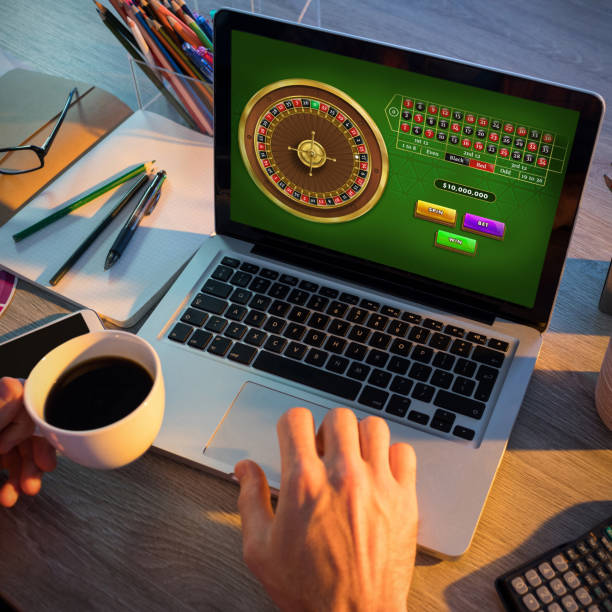
As technology evolves, so do the cultural perspectives on gambling. The rise of online casinos and mobile betting apps has transformed how individuals engage with gambling. This shift presents both opportunities and challenges, as accessibility increases participation but also raises concerns about responsible gambling. The integration of technology allows for a more personalized gambling experience, where individuals can choose games that reflect their cultural preferences and social behaviors.
Furthermore, social media has become a powerful platform for shaping modern gambling behaviors. Influencers and online communities share experiences and strategies, creating a virtual culture around gambling. This communal sharing of knowledge and tips can influence newcomers, providing a sense of belonging and camaraderie. However, it also presents potential risks, as users may feel pressured to engage more frequently or spend larger amounts in pursuit of social validation.
Moreover, advancements in artificial intelligence and data analytics allow gambling platforms to tailor their offerings based on user behavior. By analyzing trends and preferences, companies can create targeted promotions that align with cultural interests. This ability to customize experiences not only enhances user engagement but also reflects the diverse cultural landscapes of gambling around the world. Thus, technology serves as a catalyst for evolving gambling behaviors, shaped by both cultural traditions and modern innovations.
Exploring SpinBoss Casino: A Cultural Hub for Online Gambling
SpinBoss Casino stands out in the online gaming landscape by embracing cultural diversity in its offerings. With a variety of slots, live dealer games, and sports betting options, it caters to a wide range of preferences influenced by different cultural backgrounds. Launched in 2023, SpinBoss Casino ensures a secure and trustworthy environment for players, implementing rigorous safety measures like SSL encryption and KYC checks.
The platform recognizes the importance of cultural perspectives in shaping betting behaviors and provides a welcoming atmosphere for players from all walks of life. New Canadian users can benefit from a generous welcome package, reflecting the casino’s commitment to creating a rewarding experience. By offering tailored promotions and bonuses, SpinBoss Casino encourages players to explore its diverse gaming options, celebrating cultural differences while enhancing user engagement.
Moreover, SpinBoss Casino’s around-the-clock customer support showcases its dedication to providing exceptional service, ensuring that players feel valued and understood. This focus on cultural sensitivity and user experience highlights how online gambling platforms like SpinBoss can integrate cultural perspectives into their operations. By fostering a sense of community and belonging, SpinBoss Casino is more than just a gaming platform; it’s a cultural hub that reflects the rich tapestry of global gambling traditions.
